Victorian to Retro: a quick guide to jewellery eras
23 November 2026
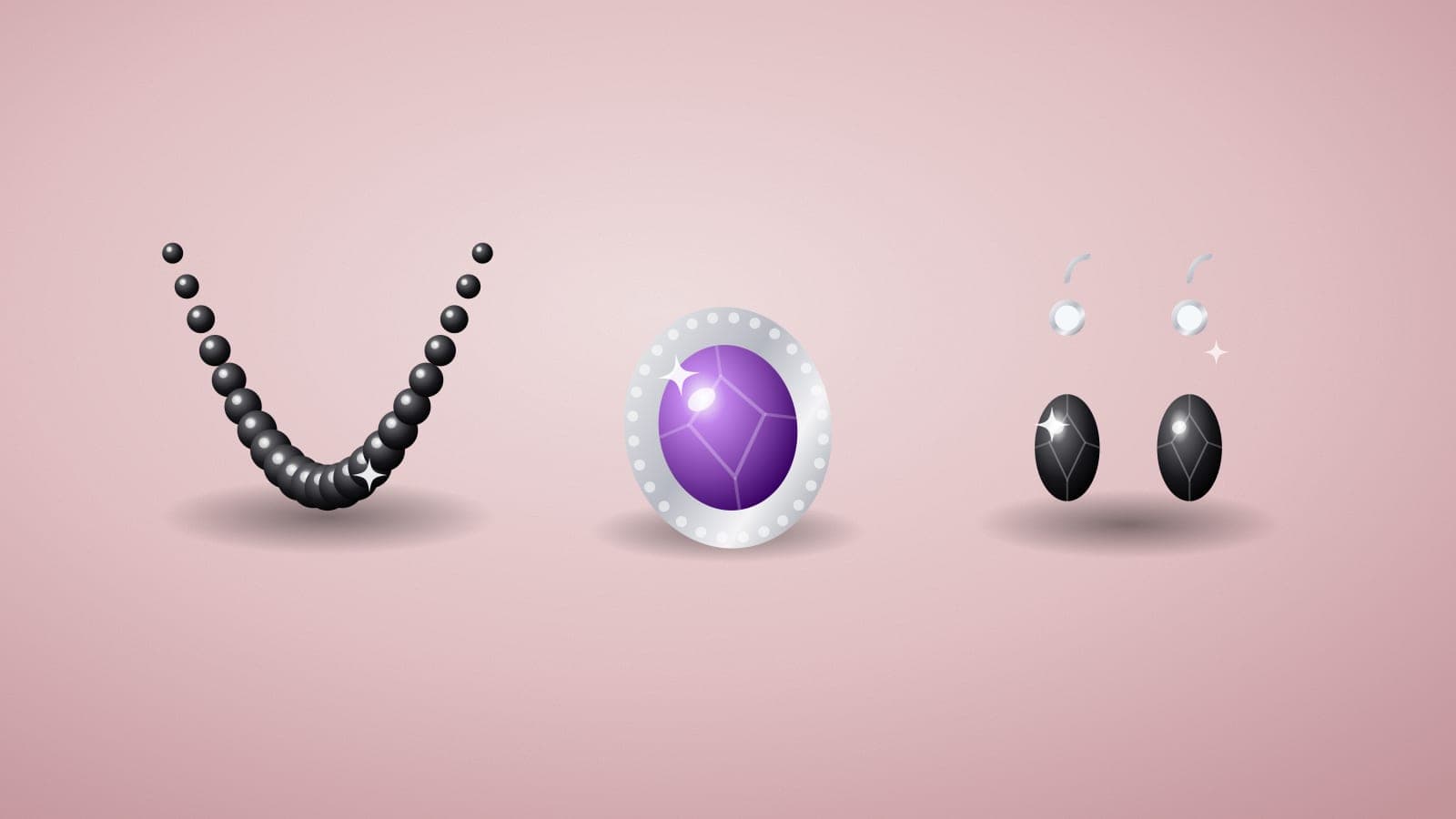
Jewellery styles change with fashion, technology and history, which is why an experienced eye can often date a piece at a glance. Here's a whistle-stop tour.
Victorian (1837–1901)
Queen Victoria's long reign spans several styles. Early pieces are romantic and sentimental — hearts, hands, forget-me-nots and lockets. After Prince Albert's death in 1861, mourning jewellery in Whitby jet and black enamel became fashionable. Garnets, seed pearls and rose gold are everywhere.
Art Nouveau (c.1890–1910)
A reaction against mass production: flowing, organic lines, women with streaming hair, dragonflies and lilies. Makers valued artistry over expensive stones, so you'll see enamel, moonstone and horn alongside silver and gold.
Edwardian (1901–1915)
Light, lacy and refined. Advances in working platinum allowed delicate openwork 'garland' designs with millegrain edges, often set with diamonds and pearls for an all-white look.
Art Deco (1920s–1930s)
Bold geometry and strong contrast — black onyx against white diamonds, crisp lines, stepped shapes and calibré-cut coloured stones. Platinum and white gold dominate.
Retro (1940s–1950s)
With platinum restricted during the war, jewellers turned to big, sculptural rose and yellow gold. Expect scrolls, bows, large colourful stones like citrine and aquamarine, and plenty of glamour.
Mid-Century (1950s–1960s)
Playful and personal: charm bracelets collected over a lifetime, textured gold, cocktail rings and fun novelty designs.
Questions about your setup?
Tell us your space and how you'll use it — we'll tell you what suits you, or hunt down something specific.
Ask us